

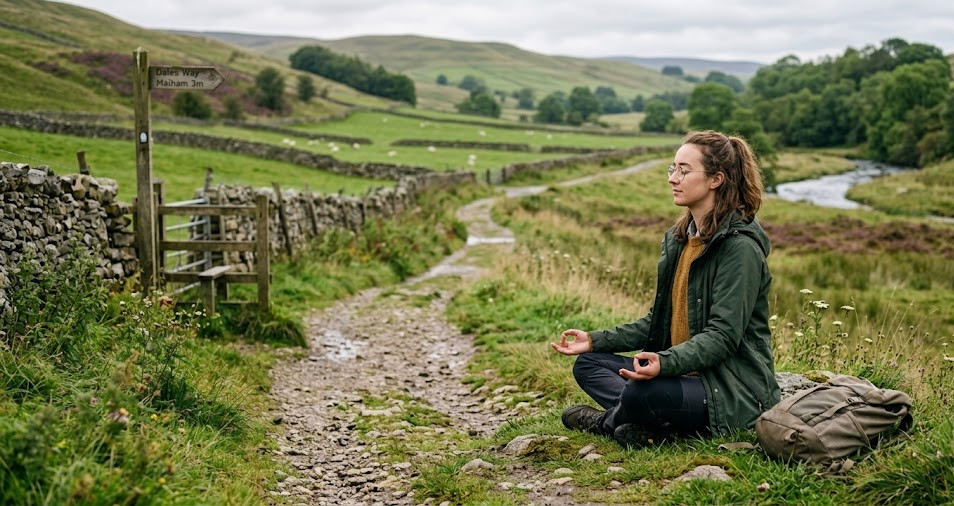
You have tried meditating. You sat down, closed your eyes, and soon your mind began to think about tomorrow’s tasks. Your leg began to bounce and you gave up.
Does this sound familiar? You’re not alone. The brain can work in many different ways, and that is okay.
A common myth in wellness is that mindfulness requires stillness. For those with an active lifestyle, movement can help increase awareness. Many people learn better by doing things and by being active. Physical activity helps them manage their feelings more effectively than being still.
Mindfulness is a state of mind, not a specific position. When you stop forcing yourself to sit still and start engaging with your body, everything changes.
At Toast Leisure, we offer tailored life coaching that empowers individuals to embrace the moment and cultivate a lifestyle rich in happiness, mindfulness, and balance.
Why Your Brain Prefers Movement
Physical movement activates the prefrontal cortex, the part of the brain responsible for focus, decision-making, and emotional regulation. For people who feel restless, being still can often make anxiety worse.
Physical activity gives the nervous system something to do. Simple movements such as walking, stretching, or washing dishes create a steady rhythm that helps feel grounded. This approach is a part of 2026 wellness trend called micro-movement therapy, which is getting a lot of attention from therapists and coaches across the UK.
Essential Mindfulness Practices for Restless Minds
Here are the five essential mindfulness practices for restless minds:
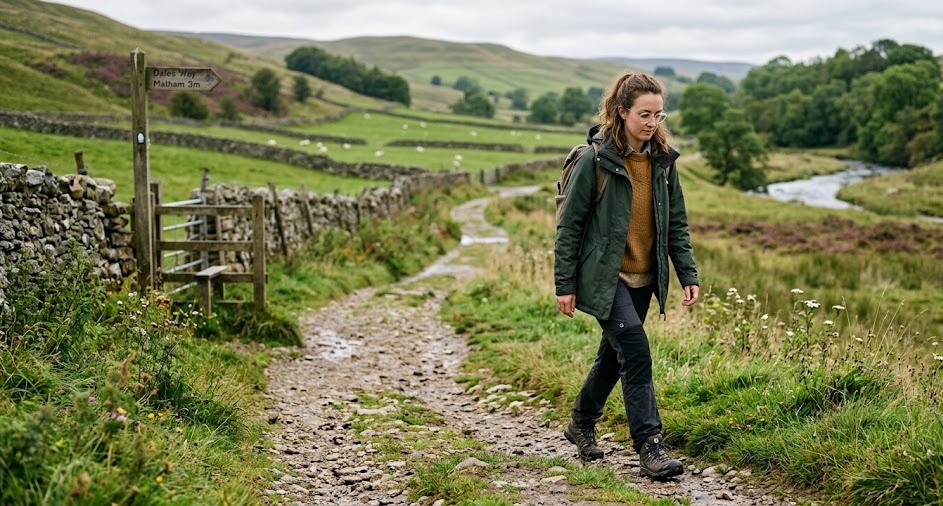
Take a Mindful Walk Outside
This exercise is easy and effective.
Step outside and walk without your phone. Feel the ground under your feet. Notice the temperature of the air on your skin. Listen to the sounds around you, like traffic, birds, and the wind in the trees.
This is not just about exercise; it is about being present. According to Natural England, 90% of adults in England believe spending time outdoors helps their mental wellbeing. This survey included over 124,000 adults and collected data over five years, making it one of the most thorough studies on nature and wellbeing in the country.
A ten-minute walk in a local park can improve your mood.
Try this: with each step notice one thing you can see, then one thing you can hear. Let your thoughts come and go without focusing on them.
Focus on One Physical Task
Choose one physical task to do with your full focus. You can wash the dishes, fold the laundry, or weed the garden.
Use this task as your main focus. Notice the warmth of the water as you wash. Feel how the fabric moves as you fold it. Smell the earth when you dig in the garden.
Gardening can help reduce stress and depression. Working with soil, performing routine movements, and being in the outdoor environment make it a great method to practice mindfulness.
Try Mindful Stretching
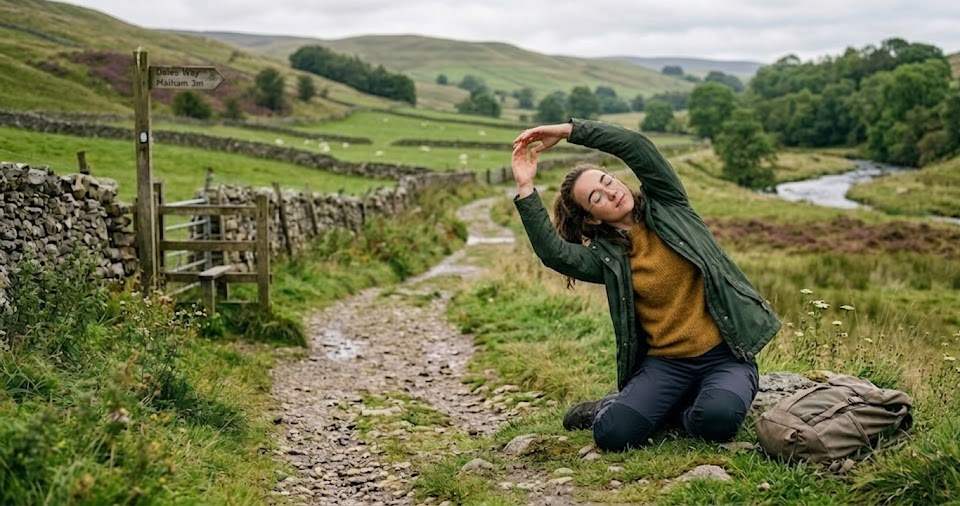
You don’t require a yoga mat or a class. Just stand up, reach your arms overhead, and breathe slowly.
Focus on matching your breath with your movements. Inhale as you stretch, and exhale as you relax. This helps calm your body and reduce stress.
Hold each stretch for five to ten seconds. Pay attention to how your muscles feel. Notice where you feel tension and where you feel relaxed. This is a simple way to reconnect with your physical self.
For a simple starting point, take a look at this practical guide of breathing exercises for stress that pairs well with gentle movement.
Use the 5-4-3-2-1 Grounding Technique
This technique is very effective for restless or anxious minds, and you can use it without having to be still.
At any time during the day, take a moment to do the following:
- Name 5 things you can see.
- Name 4 things you can feel.
- Name 3 things you can hear.
- Name 2 things you can smell.
- Name 1 thing you can taste.
This method brings your attention to the present moment by using all five senses. It is often used in cognitive behavioural therapy and works well during the times of stress or racing thoughts. The entire process takes less than two minutes and fits easily into your workday.
Engage in Sensory Activities
Sensory activities are becoming popular in wellness circles in 2026, and it’s easy to see why. Activities that engage your hands and senses, such as kneading dough, working with clay, arranging flowers, or colouring, activate the same brain pathways as seated meditation.
These activities help you focus gently. Your focus naturally sharpens without any stress to clear your mind. You are busy noticing the texture, colour, and weight of what is in front of you.
Start with just five minutes. Even a short break like this can help you step away from mental chatter.
Conclusion
Mindfulness does not require silence or stillness; it only needs your attention. You can practice it by walking in a local park, focusing on a simple task, or using a grounding technique at your desk.
Since there are many ways to be more aware, start with one technique and keep your practice brief. Pay attention to how it feels as your thoughts follow your body’s example.
Ready to build a mindfulness practice that suits you? Explore Toast Leisure’s coaching programs and take the first step toward a calmer, more balanced lifestyle.

